Empirical Candidate Scrubbing Protocol
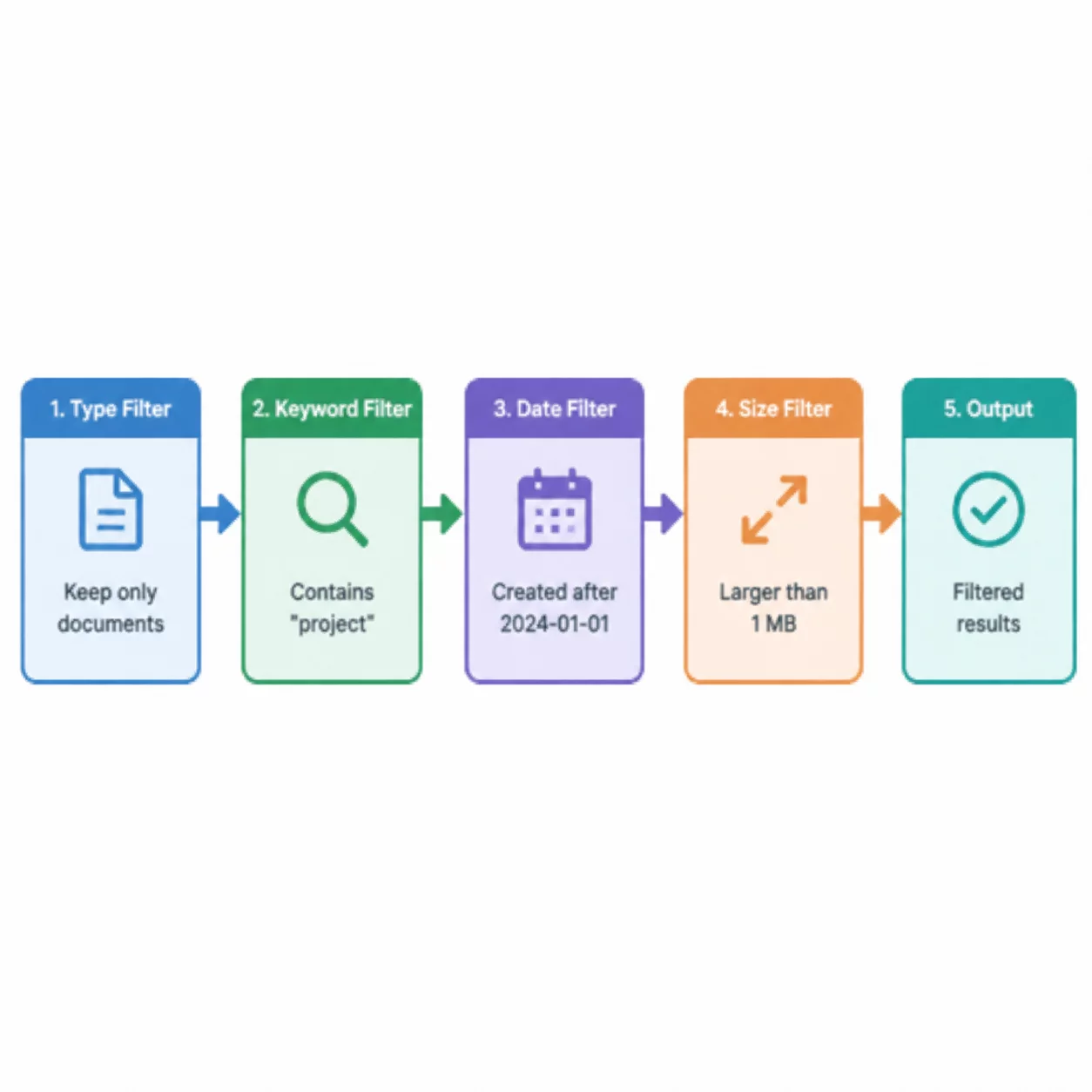
Multi-stage condition stacks reduce broad ticker universes into manageable watchlists, yet boolean screening engines evaluate each metric in isolation. A surviving ticker often satisfies arithmetic constraints through numerical anomalies, distorted spread intervals, or atypical corporate restructuring rather than genuine structural consolidation.
- Audit Sample Universe:
- 6,840 Listed Stocks
- Post-Filter Output Pool:
- 18 Surviving Symbols
- False Survival Rate:
- 27.7% Anomalous Matches
- Primary Error Source:
- Volume Spike Skew & Gap Spreads
A screening formula checks numerical validity, not contextual market integrity. Candidate isolation verifies whether values represent organic market mechanics or statistical distortions.
Key Observations from Post-Filter Candidate Verification
- A single pre-market block order frequently inflates 50-day average volume metrics, masking persistent liquidity drought on regular trading sessions.
- Narrow intraday spreads caused by suspended quotes or merger arbitrations mimic genuine volatility compression bands in automated screener queries.
- Sector-wide correlation shifts artificially drag non-viable ancillary suppliers through relative strength hurdles during commodity headline surges.
Anatomy of False Positives in Multi-Stage Condition Stacks
When an analyst constructs a pipeline combining liquidity thresholds, moving average alignment, and volatility compression, the algorithm treats each condition as an isolated truth test. If Condition A requires daily turnover exceeding two million dollars and Condition B requires twenty-day historical volatility under fifteen percent, tickers qualifying under both metrics enter the final candidate group. The mathematical engine never questions how that low volatility originated or whether the turnover reflects genuine auction interest.
In live market conditions, frozen quote ribbons during pending tender offers create pristine technical squeeze readings. The stock flatlines near the acquisition price while routine institutional rebalancing creates substantial dollar volume. An EasyScan or mathematical screener records perfect alignment with trend-following compression criteria. Without an explicit post-screening edge-case audit, such artificial artifacts corrupt analytical models and skew downstream dispersion assessments.
Diagnostic Rule: The 5-Day Spread and Distribution Check
Prior to accepting candidates into qualitative evaluation, calculate the ratio between intraday high-low range and the median spread over twenty sessions. If the candidate exhibits a ratio under 0.25 alongside severe volume concentration in opening crosses, classify the ticker as an edge-case artifact rather than organic structural compression.
Layered Verification: From Broad Screening to Forensic Filtering
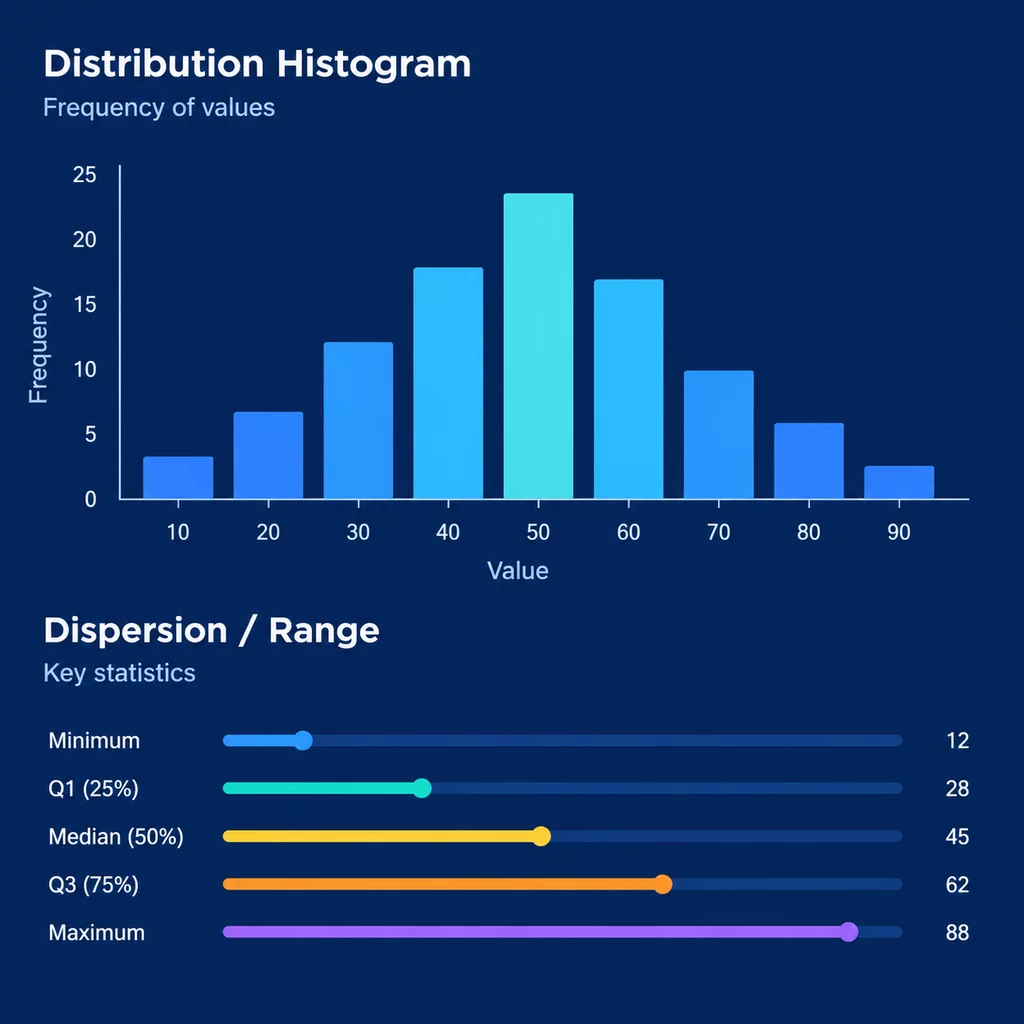
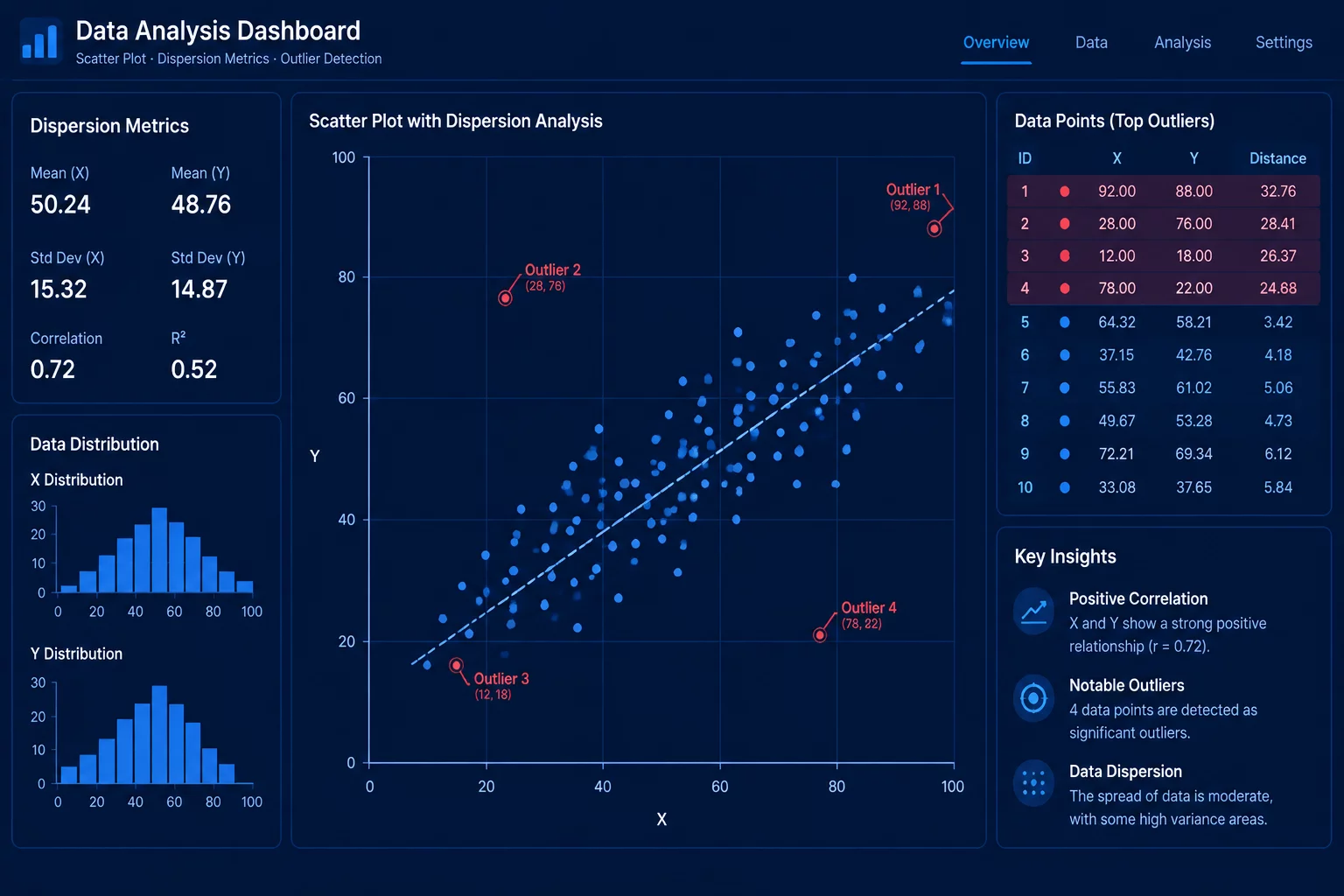
Quantitative researchers distinguish between pipeline filtering and output auditing. Pipeline filtering reduces thousands of tickers to dozens using standardized mathematical expressions. Output auditing evaluates candidate distribution across secondary metrics such as median trade size, bid-ask dispersion, exchange listing peculiarities, and structural earnings flags. The objective centers on identifying structural outliers before human analysts expend cognitive effort analyzing charts.
Consider an illustrative scan returning eighteen surviving companies from a six-thousand ticker universe. A thorough post-scan audit reveals that five candidates share a single micro-cap biotechnology index catalyst, three represent low-float reverse mergers, and two reflect pending delisting procedures. Subtracting these edge cases leaves eight structurally viable candidates. This systematic triage protects research pipelines from systemic false-positive decay.
Marcus Vance
Quantitative screener specialist and lead curriculum designer at ConditionStack Journal. Focuses on multi-factor market data filtration, boolean condition sequences, and algorithmic universe normalization.
Related Screening Logic Studies