Condition Stacks

Fundamental Stability and Price Consolidation Stack

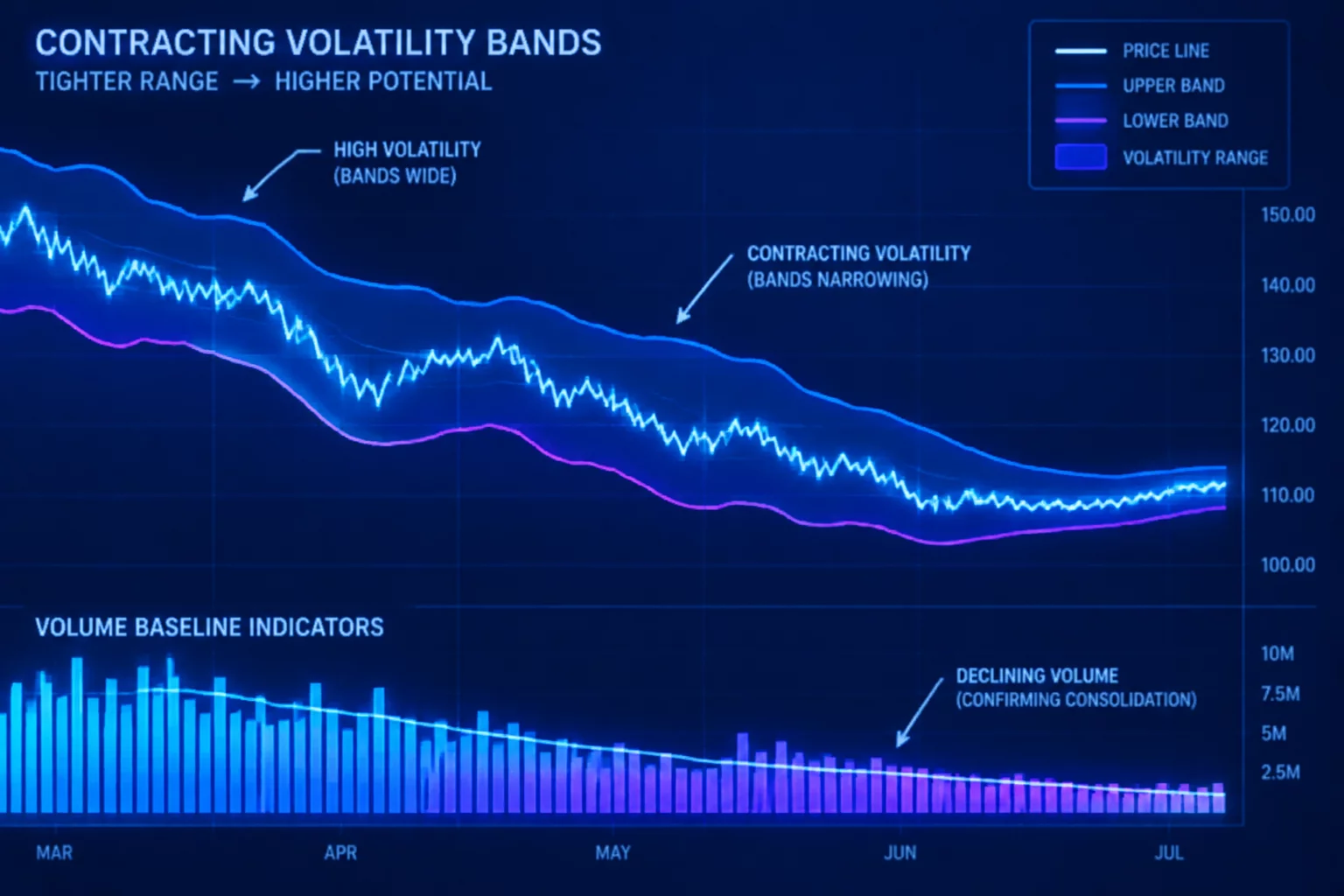
Filtering for solvent balance sheets and operational resilience prior to isolating volatility contraction and range compression phases.

Elena Rostova • August 22, 2026 • 8 min read
Stack Specification TC2000 Ver 24
  • Filter Sequence Solvency Base в†’ Range Contraction
  • Evaluation Cadence Daily / Multi-Week
  • Pass-Through Rate 1.8% to 2.4%
Key Architecture Facts:
Debt-to-Equity < 0.80 Operating Margin > 12% 20-Day Range Tightness < 12% Volume Contraction Below 50-SMA
Solvency Base First

Eliminating Financial Vulnerability Before Chart Geometry Calculation

Standard price compression scans frequently isolate companies teetering on insolvency simply because their trading ranges have gone completely dormant. When capital departs a struggling enterprise, the equity often settles into an artificial low-volatility slumber where trading interest dries up out of neglect rather than institutional accumulation. Stacking a balance sheet solvency gate at the beginning of the filtering sequence purges vulnerable capital structures before computing any technical tightness.

By demanding a manageable debt-to-equity ratio alongside sustainable operating profitability, the screener ensures that any subsequent volatility squeeze reflects deliberate positioning by market participants rather than structural abandonment. Filtering out heavily leveraged firms prevents downstream indicators from misinterpreting illiquid drifting as constructive price consolidation.

Fundamental Stability and Price Consolidation Stack
EasyScan Code Reference

Constructing Solvency and Tightness Conditions in TC2000 EasyScan

Step-by-step structural formulas for setting balance sheet gates and rolling volatility contraction criteria within automated screening scans.

Filter Elimination Matrix
Stage 1: Solvency Gate
Total Debt / Equity < 0.80 AND Current Ratio> 1.50
Eliminates ~68% of the broad US equities universe
Stage 2: Cash Flow Viability
Operating Margin > 12.0% AND Operating Cash Flow > 0
Filters speculative turnaround candidates and capital-diluting firms
Stage 3: Range Compression
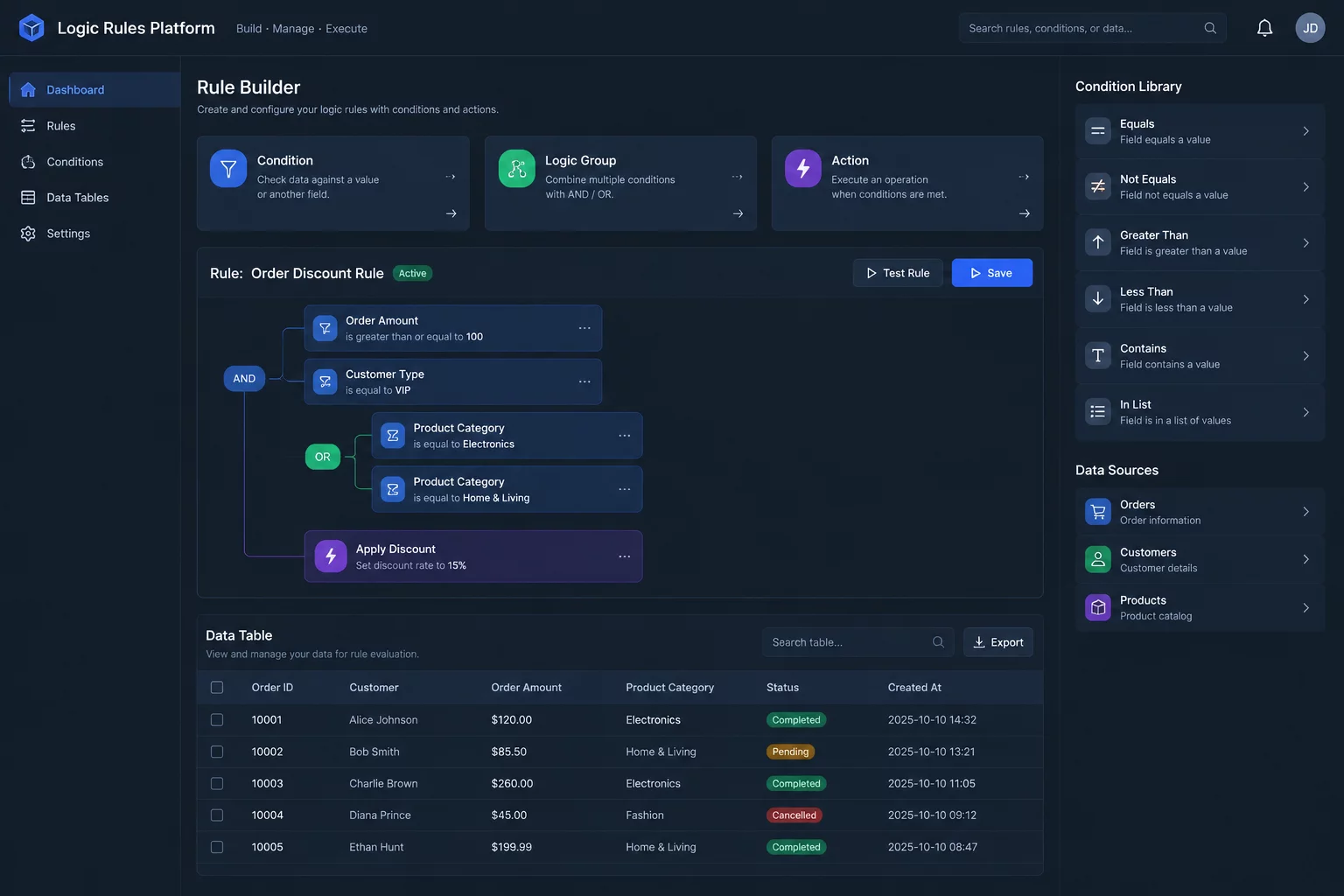
(MaxH20 - MinL20) / MinL20 <= 0.12 AND Volume < VolumeAvg50
Isolates tight, orderly consolidation bases with low turnover
Multi-Factor Mechanics

Why Fundamental Stability Informs Volatility Compression Analysis

A volatility squeeze in a leveraged equity carries asymmetrical downside tail risk when unexpected macroeconomic shifts strain working capital. In contrast, businesses with disciplined cash flow and modest debt obligations withstand sector pullbacks with minimal solvency distress. When their daily trading ranges compress inside a narrow corridor, market makers and institutional allocators are typically absorbing floating supply without disrupting the broader price structure.

Combining fundamental solvency with technical consolidation reduces the review pool to a manageable handful of resilient candidates. Rather than sifting through hundreds of penny stocks and debt-laden turnaround stories that happen to meet a generic range tightness formula, the analyst audits only structurally viable enterprises currently entering orderly rest periods.

Applying volatility compression criteria to fundamentally compromised companies produces false consolidation readings; enforcing balance sheet solvency first ensures that low volatility reflects structural supply absorption rather than institutional abandonment.
— Elena Rostova • Quantitative Filtration Analyst

Core Architecture Takeaways

1

Gate Solvency Upfront

Filter for debt coverage and operational profitability early to prevent wasted computational overhead on structurally distressed balance sheets.

2

Require Relative Tightness

Measure high-low spread relative to baseline price levels over twenty trading sessions to avoid skew from absolute dollar changes.

3

Confirm Volume Subdual

Verify that trading volume contracts below its 50-day average during the consolidation phase to confirm supply exhaustion.

Reader Questions & Case Feedback

Ask About This Screening Case

Tell us which condition or sequence you are investigating. Share a question, a correction, or a point that needs a clearer explanation.

Page reference

Fundamental Stability and Price Consolidation Stack

Our editorial desk discusses educational screening logic. It does not provide securities recommendations or trade signals.

All fields are required. Please keep your question focused on educational screening logic.

ConditionStack Journal В· Editorial Desk

Thank you for your screening question.

Your inquiry has been received along with the page reference. Thank you for helping us make screening logic clearer.