Multi-Horizon Alignment Case

Weekly Moving Average Filters Applied to Daily Universes

A technical deep dive into reconciling macro weekly trend benchmarks with granular daily price bars, avoiding look-ahead repainting, and isolating high-probability setups.

August 8, 2026
Elena Rostova
9 min read
Timeframe Cases
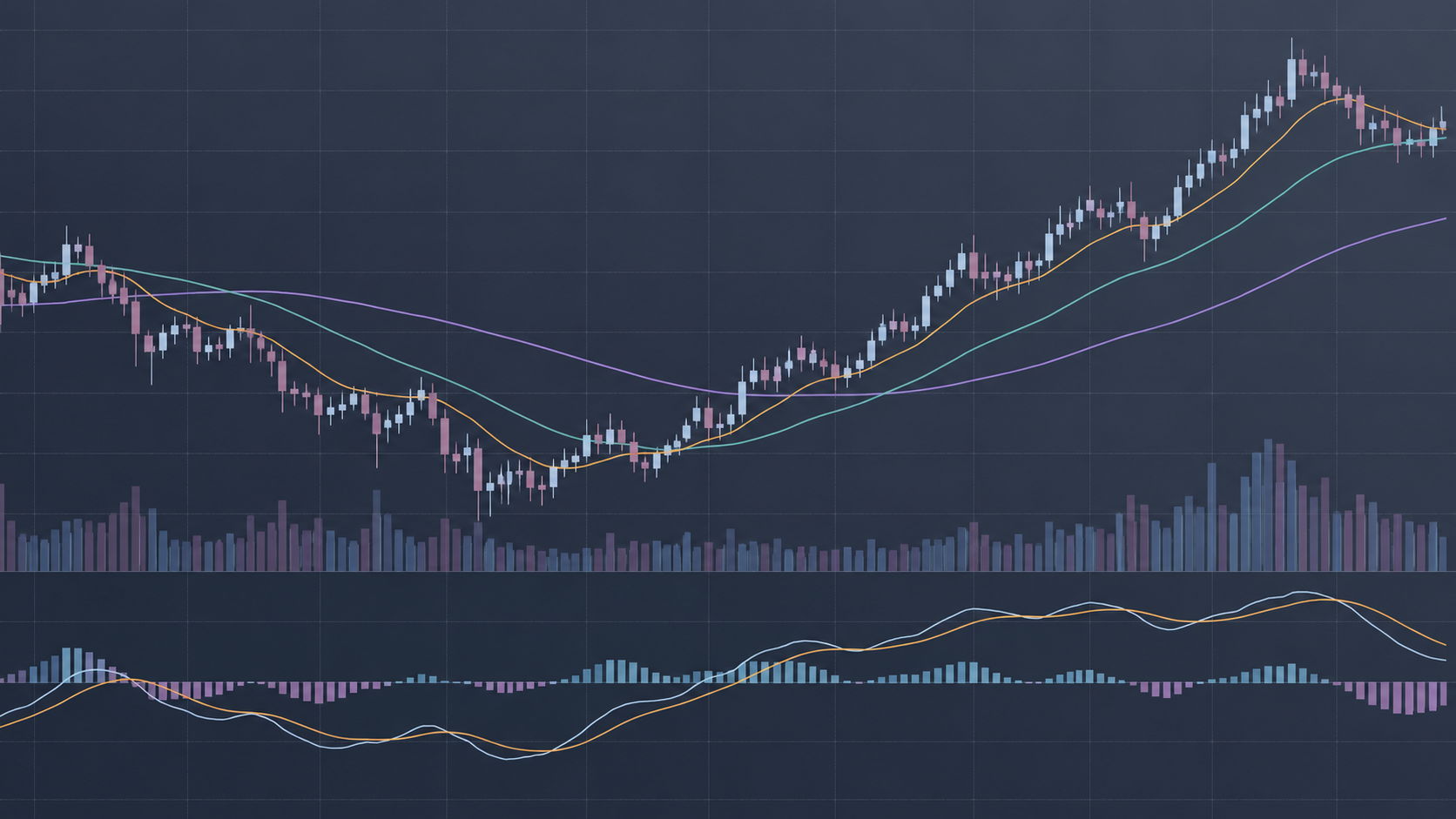
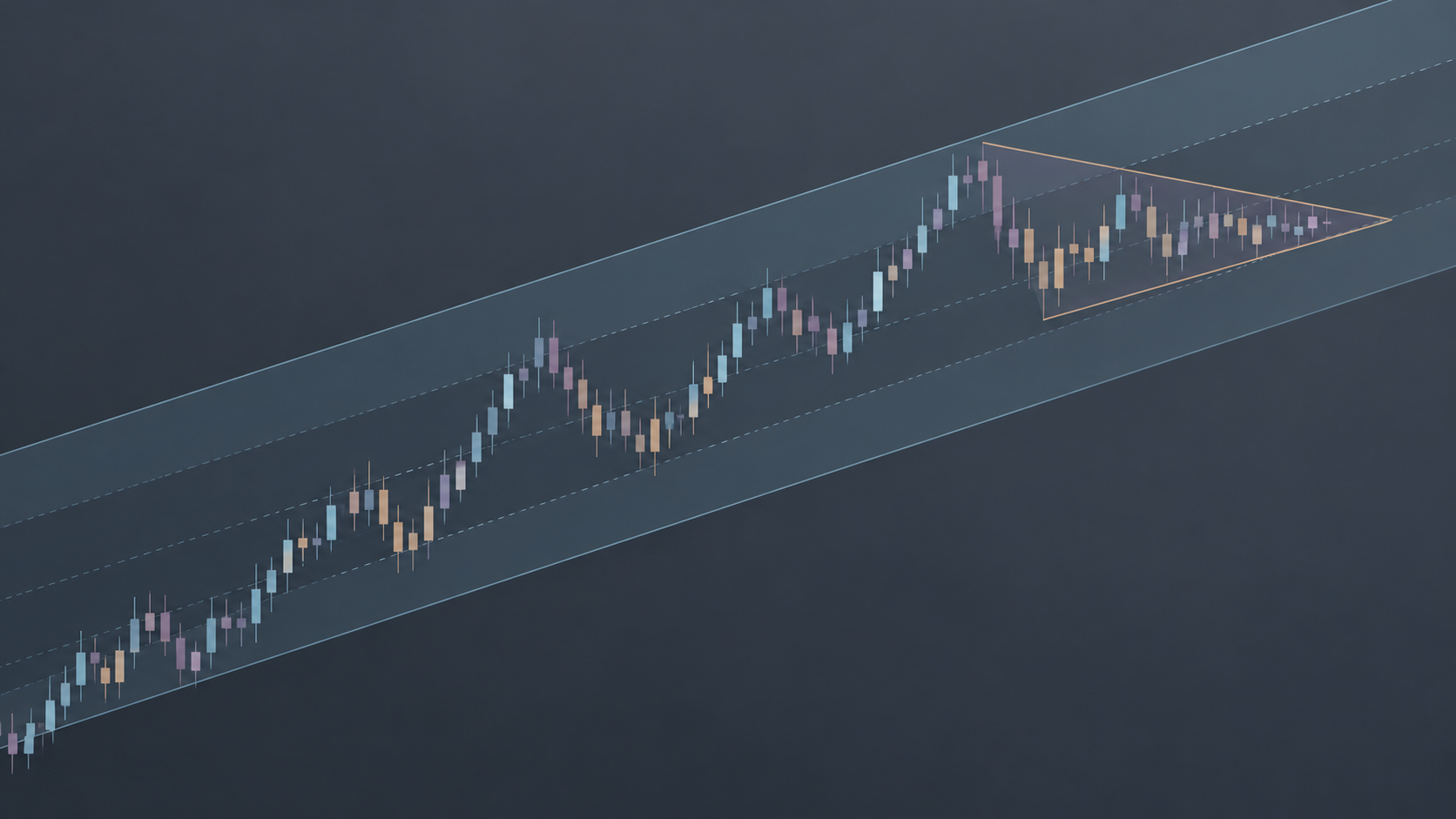
Weekly Moving Average Filtering Schematic Applied to Daily Data
Primary Scale
Weekly (W1 / 5-Day)
Secondary Scale
Daily (D1 Bars)
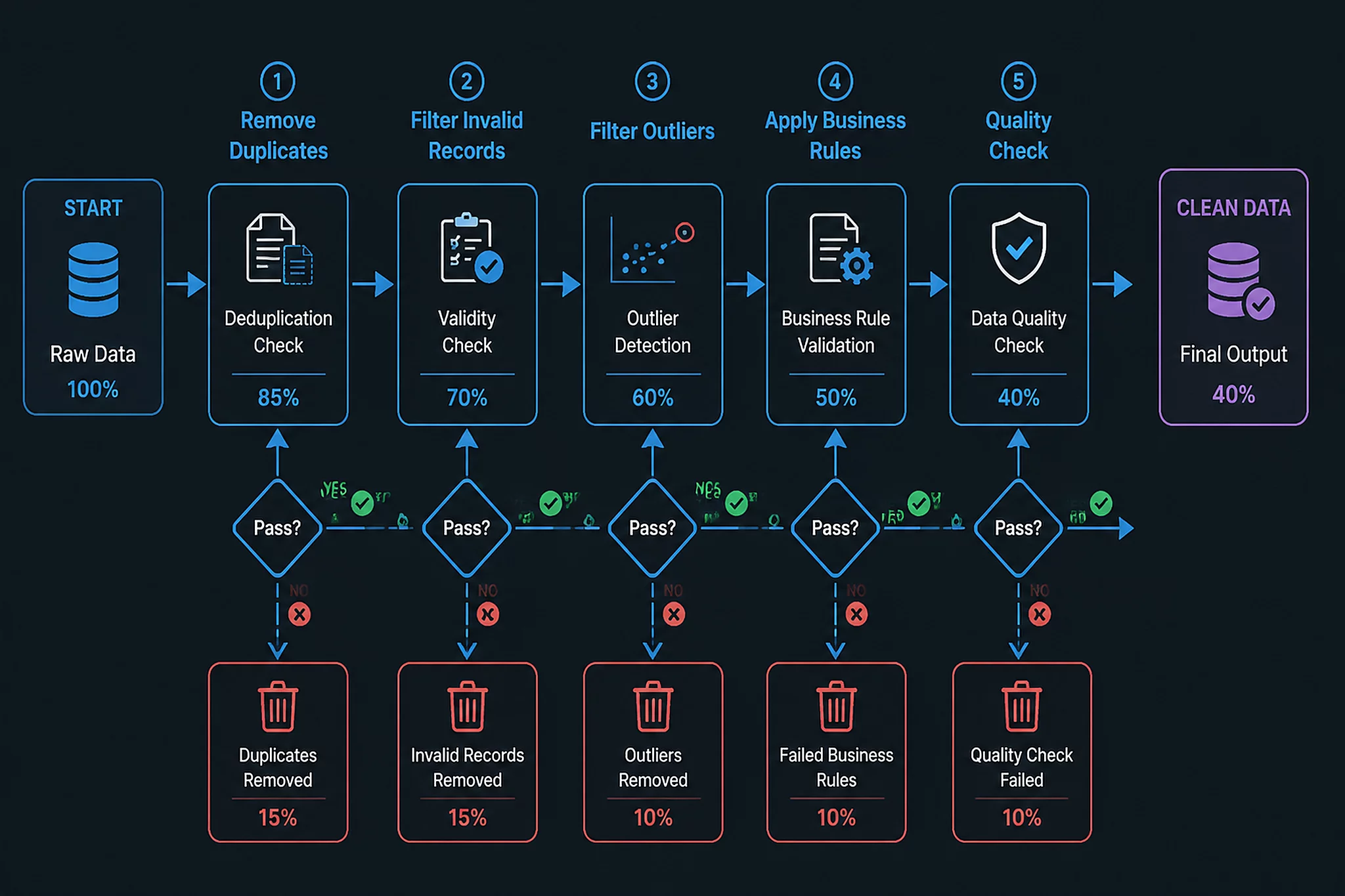
Filter Cascade
4 Sequential Gates
Pass Rate
3.4% of Universe
Overview & Method Statement

Cross-Horizon Synchronization Mechanics

Screening across multiple time horizons represents one of the most common pitfalls in quantitative scanning architecture. When a filter evaluates weekly moving averages on daily securities, it must handle incomplete calendar bars with precision. An active trading week contains incomplete price information between Monday and Thursday, which can cause screening formulas to fluctuate erratically if based on unclosed weekly bars.

This case demonstrates how to design a deterministic condition stack that references locked prior-week indicators (W1.1) alongside real-time daily closing criteria. Applying this tiered separation eliminates mid-week false breakouts, stabilizes candidate watchlists, and ensures that tactical daily setups align with persistent weekly capital flows.

Key Analytical Takeaways

  • Referencing closed previous-week bars (such as 10-week and 30-week simple moving averages) prevents look-ahead bias and intraday watchlist flashing.
  • Applying weekly trend slope filters prior to daily trigger conditions removes roughly 82% of counter-trend consolidation chop before expensive calculations execute.
  • Daily pullback depth metrics must always be bounded relative to the weekly average slope; otherwise, genuine pullbacks are indistinguishable from macro structural breakdowns.
Index of Analysis
Timeline Progression
Execution Breakdown

Four-Tier Condition Cascade Pipeline

01
Baseline Pre-Filter Universe Definition

Eliminating Micro-Caps and Non-Standard Trading Instruments

The multi-timeframe engine first applies strict baseline trading volume and minimum price thresholds. Without this step, stocks with thin liquidity generate distorted moving average slopes on weekly charts where single block trades skew entire bars.

Verification Rule: Price >= $12.00 AND 50-day average trading volume >= 400,000 shares per day on US exchanges.
02
Macro Weekly Filter Closed-Bar Evaluation

Validating 10-Week and 30-Week Simple Moving Average Hierarchy

The algorithm tests that the previous completed week closed above both its 10-week and 30-week simple moving averages. It also checks that the 10-week moving average has maintained an upward slope over the last three completed weekly bars, establishing an undisputed medium-term uptrend.

Verification Rule: Close(W1.1) > AVGC10(W1.1) > AVGC30(W1.1) AND AVGC10(W1.1) > AVGC10(W1.4).
03
Daily Micro Timing Active Session Scan

Detecting Controlled Daily Consolidation Inside Weekly Trend

Once the weekly trend passes inspection, daily criteria isolate orderly consolidation patterns. The daily close must sit within 3.5% of its 20-day moving average, with 14-day average true range showing sequential compression compared to the 50-day average.

Verification Rule: Abs(C - AVGC20) / AVGC20 <= 0.035 AND ATR14 < (0.85 * ATR50).
04
Audit Verification Final Watchlist Output

Removing Earnings Announcements and Binary Catalyst Events

Survived candidates undergo a final categorical filter that removes companies scheduled to report corporate earnings within seven calendar days. This step ensures that technical tightness reflects organic market equilibrium rather than artificial pre-earnings holding patterns.

Verification Rule: DaysToEarnings > 7 OR EarningsReportDate IS NULL.

Case Topic Taxonomy

Multi-Timeframe Logic Weekly Moving Averages Daily Universe Scans Look-Ahead Prevention Screening Architecture
Reference Architecture

Explore Robust Multi-Stage Condition Stacks

Inspect our documented condition frameworks designed to prevent collinearity, excessive filtering, and multi-horizon calculation errors in market screeners.

Reader Questions & Case Feedback

Ask About This Screening Case

Tell us which condition or sequence you are investigating. Share a question, a correction, or a point that needs a clearer explanation.

Page reference

Weekly Moving Average Filters Applied to Daily Universes

Our editorial desk discusses educational screening logic. It does not provide securities recommendations or trade signals.

All fields are required. Please keep your question focused on educational screening logic.

ConditionStack Journal В· Editorial Desk

Thank you for your screening question.

Your inquiry has been received along with the page reference. Thank you for helping us make screening logic clearer.